Are we all just rats?
Author: Verstaen Mike, Founder, ex-military recon.
Our desires…
'Desire always aims at something that is not yet there. Waiting for it is often portrayed today as a frustration, when in fact it carries a pleasure of its own: looking forward to it, fantasizing about it. A dual tension, at once tormenting and pleasurable. Abundance is deadly to enjoyment.'
— Paul Verhaeghe, Grenzeloos (Boundless)
An interesting passage from an even more interesting book, which I devoured last week.
It fits a question I've been asking myself for a while: what does desire actually do to us, and what does it not do?
The analysis of the self
Our desire seems boundless today. We are constantly searching for the next thing that satisfies us or makes us happy, the next small kick that triggers those chemicals in our brain once more. But that is precisely where it chafes: what we can have immediately rarely holds our attention for long. Desire simply slides on to the next object.
I enjoyed reflecting on this again and writing a short piece about it. During my studies in clinical psychology, I became fascinated by so many different domains of human functioning, so much so that I still haven't managed to finish the degree. Combining work and study is not to be underestimated, but never mind. To me, desire seems closely intertwined with both motivation and reward.
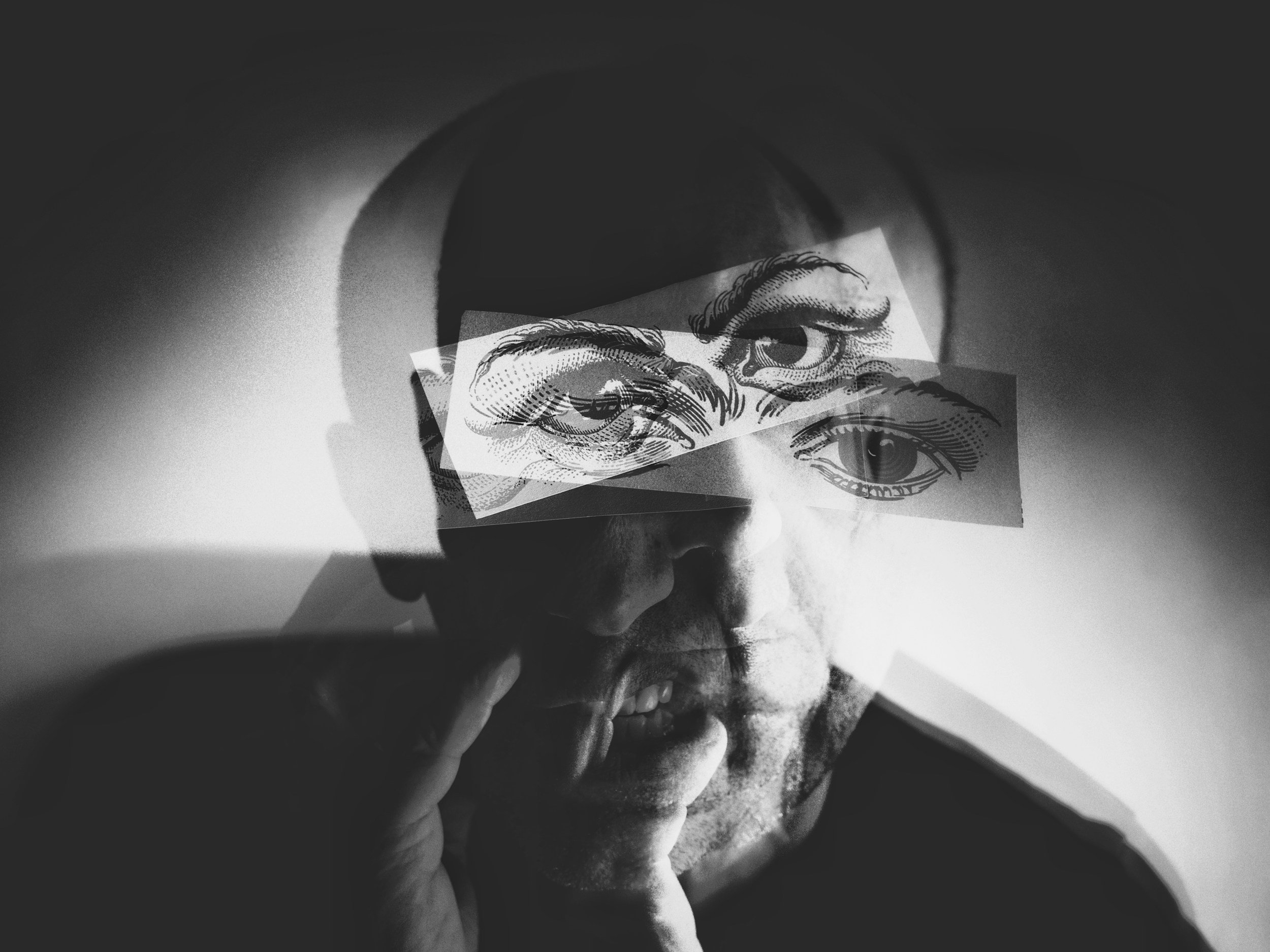
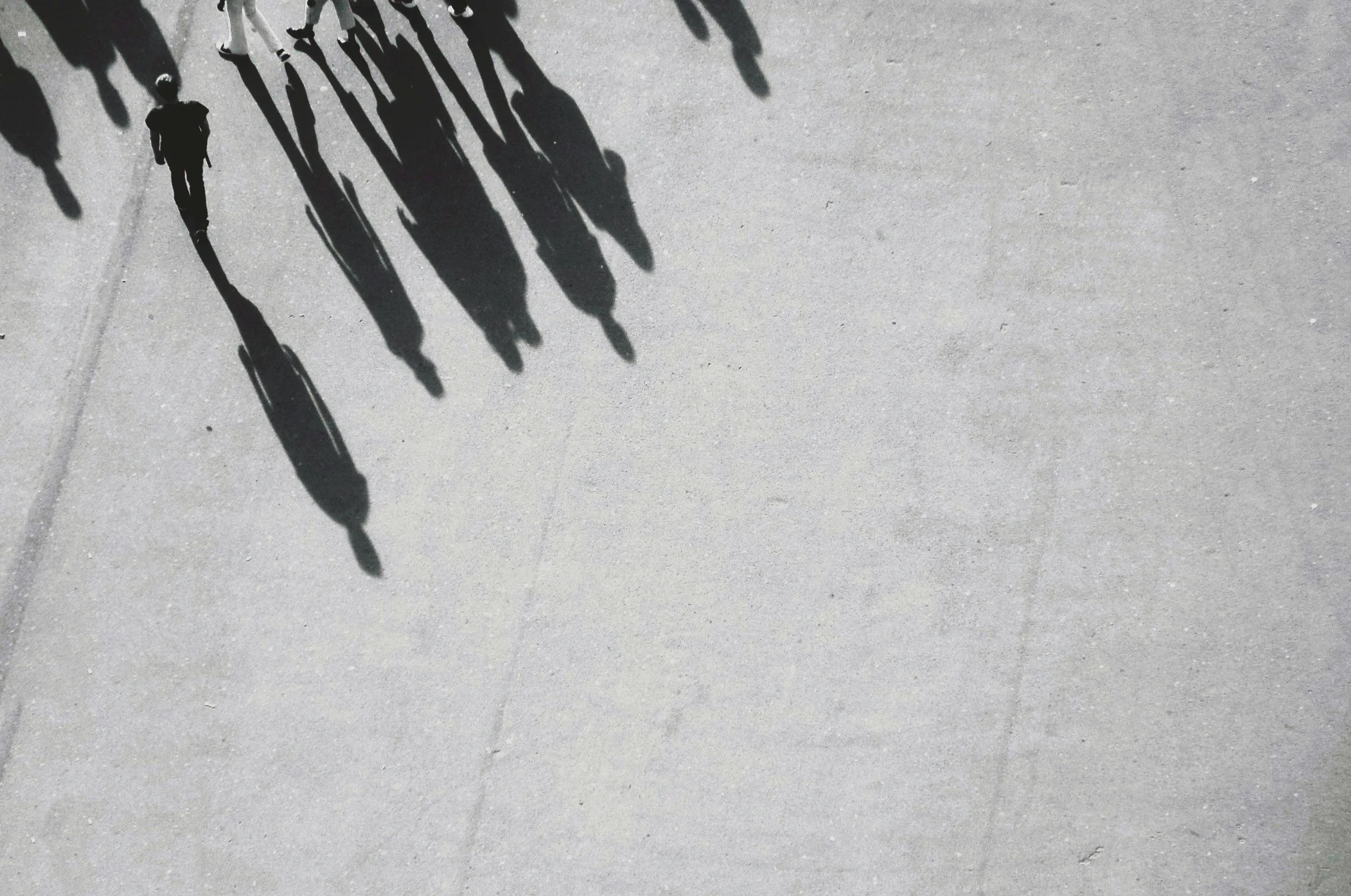
Psychoanalysis, and Lacan in particular, a pivotal figure in this field, offers an illuminating insight here. For Lacan, desire can never truly be quenched, because it is not directed at a concrete object but at a lack that is structural to our existence as speaking beings. We always desire in relation to the Other: the place of language, culture, and recognition from which we come to know ourselves. Seen this way, our desire is the desire for the desire of the Other. We want to be seen, affirmed, and desired, and we are quick to adopt what the Other desires as our own. Today, that Other often takes the form of a screen, a feed, an endless stream of suggestions about what we should want.
The question, then, is perhaps not how we can satisfy our desire, but whether we can learn to bear the lack again. For as Verhaeghe shows, enjoyment lies precisely in the space between desire and fullfilment.
It seems to be something we need; otherwise we get stuck. It sets us in motion. Still, it's nice that I kept my notes from my psychoanalysis classes!
The ‘Other’, and rats
I think we live in an abundance of desires today, and that social media also floods us with new, artificial ones. Every second you are shown flashes of lovely trips, activities, new PRs, you name it, tailored to your own algorithm, of course.
We see something, and gradually an expectation forms. And then the effect of reward comes around the corner. During my studies at Ghent University, within cognitive psychology, I read an interesting study on rats in the context of reward. When rats have to cover a certain distance to obtain a reward, they appear to run faster as the size of the reward increases. When the reward was suddenly doubled during the study, the rats also ran faster in the next trial. According to the researcher, Crespi, this has to do with the formation of an internal expectation. The reverse also turned out to hold: when the reward was suddenly reduced, the rats ran more slowly than rats that had received that same lower reward from the start. It was not the reward itself but the expectation of it that made the difference. Just think how often in your own daily life you are disappointed, because you had already created expectations.
Philosophy walks
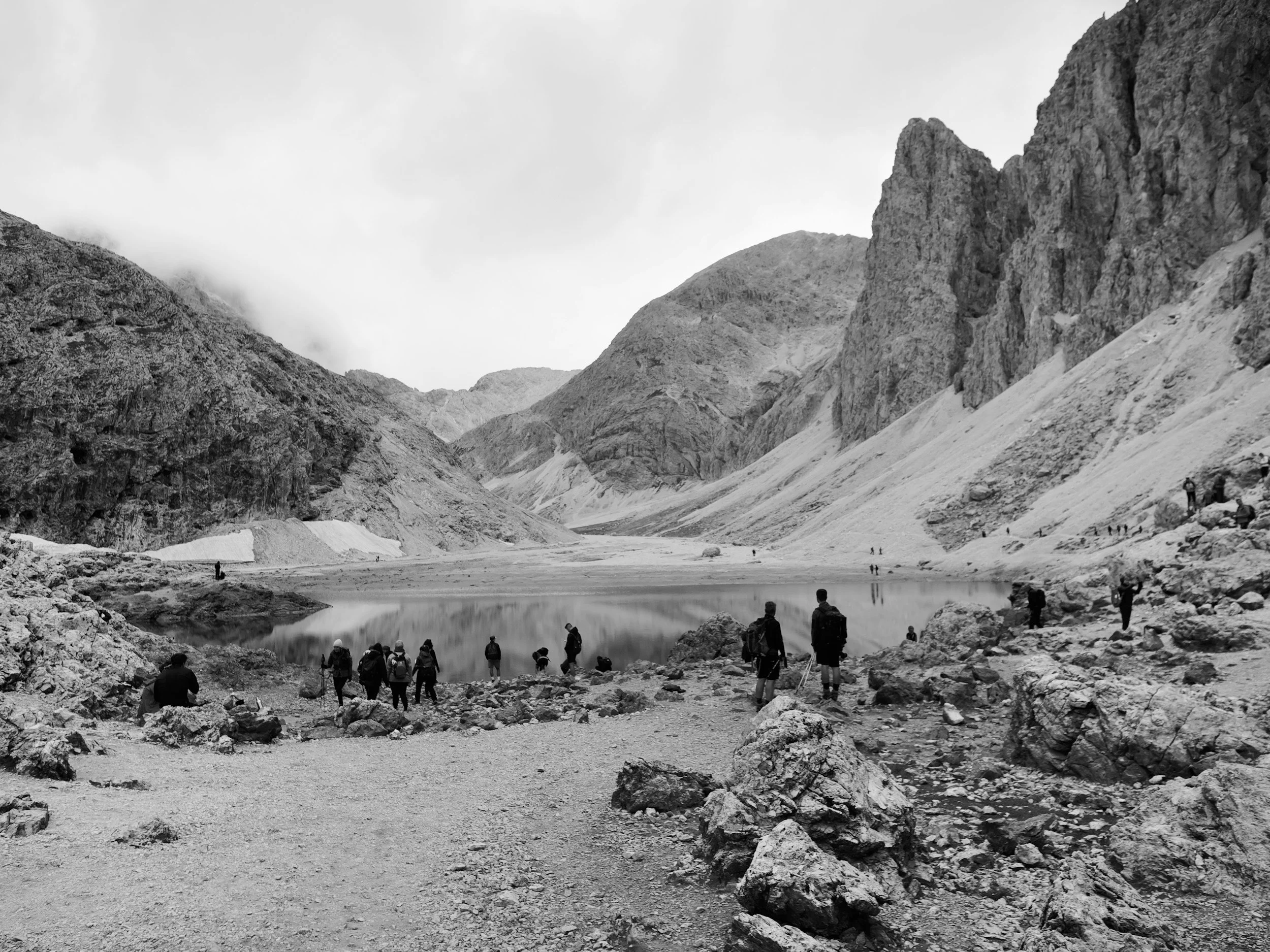
The mountains are so big!
Is that true everywhere?
For me personally, something remarkable happens every time I travel from the city to the mountains. It is as if I suddenly become small, almost insignificant, and all my expectations and desires vanish like mist before the sun.
In the city, I am stimulated from all sides: there is always something to strive for, to compare myself with, or to want. In the mountains, that noise falls away. What remains is the elemental: breathing, moving forward step by step, hunger, thirst, cold, fatigue, a dry place to sleep. There is no Other watching, suggesting what you should want. The mountain has no judgment and no offer.
Perhaps that brings us back to ourselves. Desire does not disappear, but becomes small, concrete, and tangible: looking forward to the summit, to a warm meal, to the sunrise. Precisely the anticipation Verhaeghe writes about, but without the abundance.