Author: Verstaen Mike, Founder, ex-military recon.
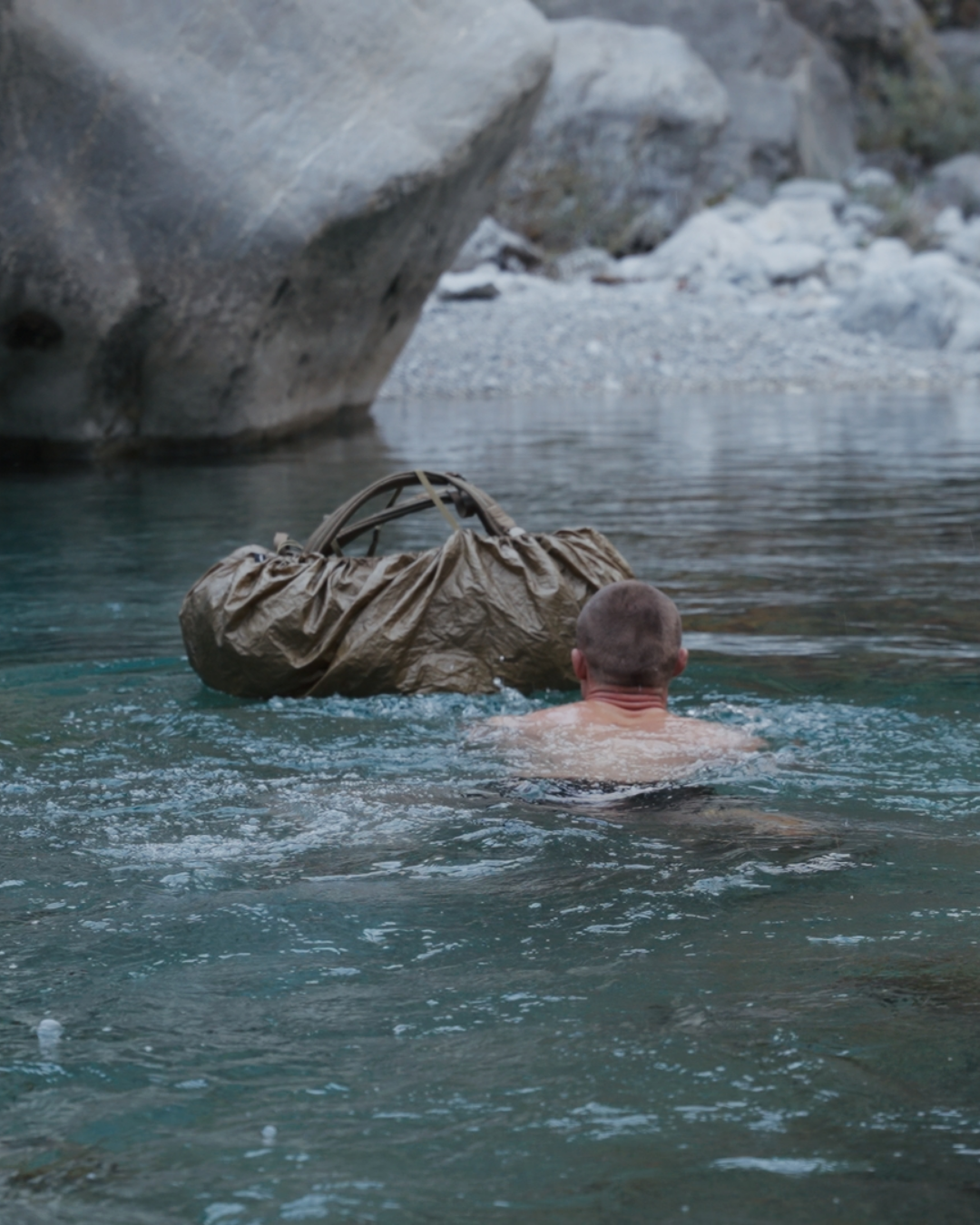
Rivercrossing in Albania ‘27
Why we believe in a stimulus now and then
We live in a comfortable society, and we keep looking for even more comfort. At the same time, our brain builds fears around dangers that often turned out, objectively, never to be that bad. Cognitive psychology offers a few explanations:
Negativity bias: our brain gives negative information more weight than positive.
Affective forecasting: we overestimate how bad, and for how long, something unpleasant will feel.
Avoidance keeps fear alive: every time you avoid something, you feel relief, and your brain learns that the danger was real. Exposure therapy works the other way around: you discover it is not as bad as you thought.
I first came across this during my studies in clinical psychology. An interesting concept.
A real threat
When Mike worked for the Defence forces and was deployed to places like Afghanistan, he noticed something: the effect of a real threat, one that could have an immediate impact on your life. Weapons. In the West we are, fortunately, not confronted with that day to day, although we all sense that things feel geopolitically turbulent.
The missing piece
After leaving the military and settling in Ghent, he came to miss it. Situations that confront you with reality. Situations that force you to make decisions with real impact in a short time. In our current society situations where you have to respond fast rarely occur, or if they do - not with a severe impact. Not to vouch for more danger in our society, but to create more awareness for the impact of our current lifestyle.
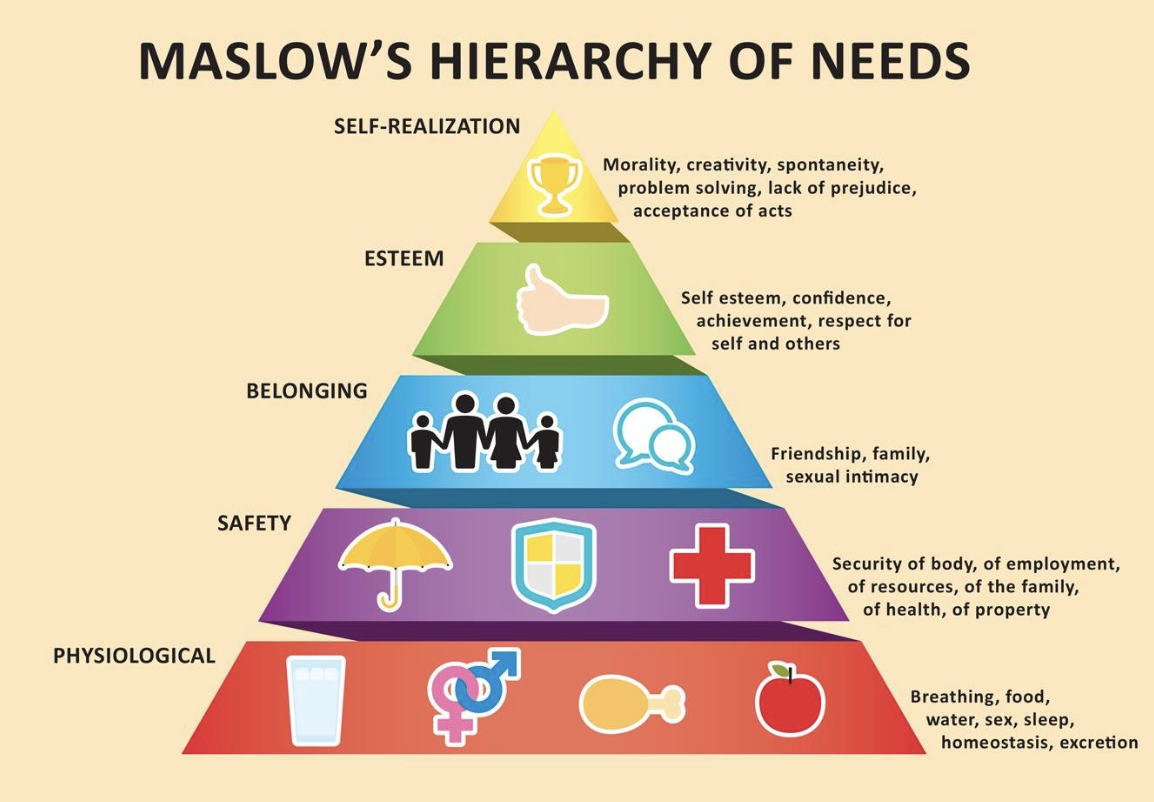
Sometimes a short recall to Maslow, the triangle of our needs. When facing people in Afghanistan they rarely seem to be occupied with thoughts about their mental health. The most discussed topic was more concerning over food and water supplies. What if we might just be focussing too much on our mental health?
A river at 4 degrees
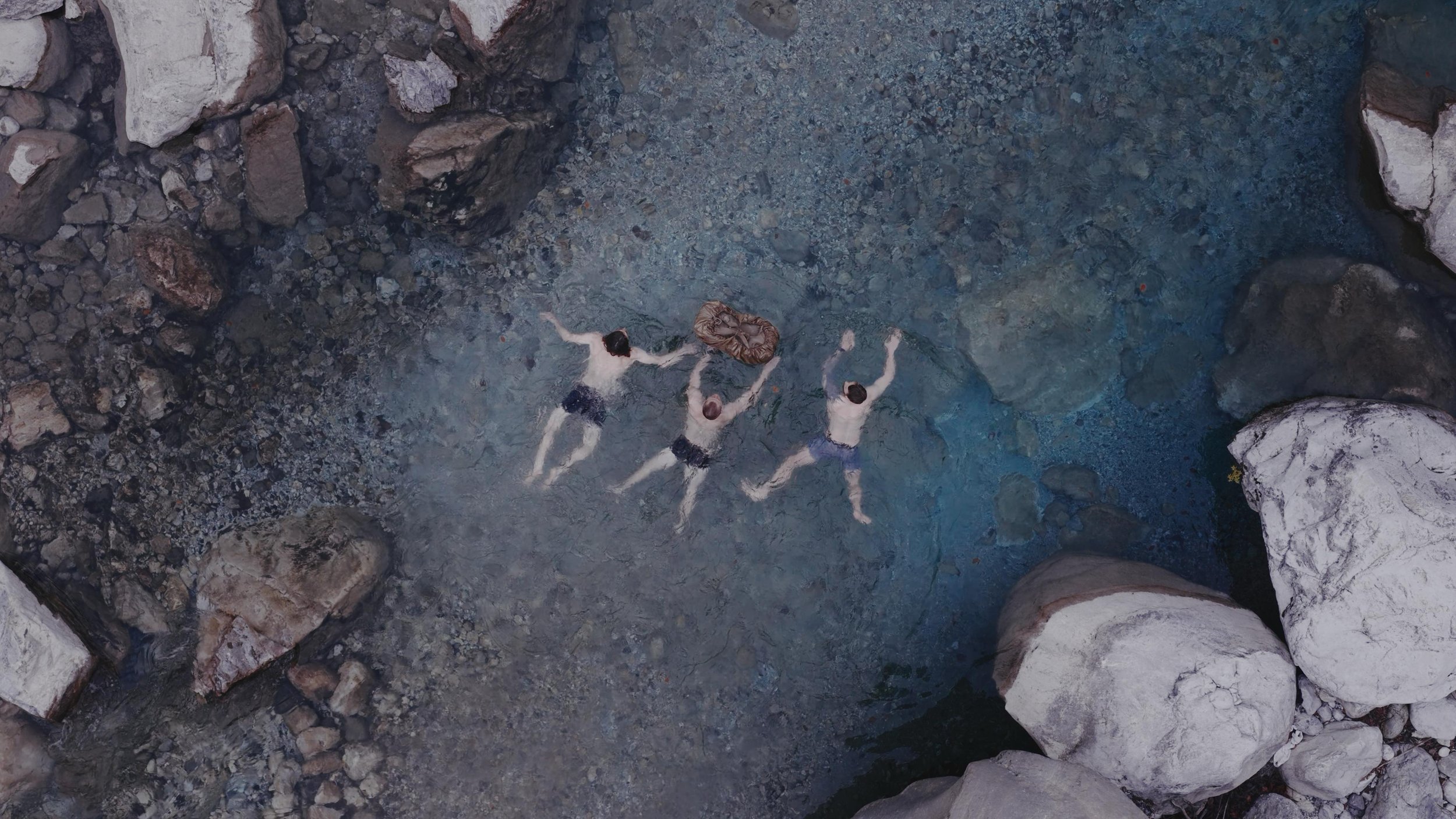
During our recent scouting week we did the same thing: at an unexpected moment, we suddenly added that stimulus. We had to cross a river. How do you do that?
Luckily, Mike knew a technique from his army days: the manpack. You make your backpack waterproof and buoyant, and use it as a float to swim to the other side.
The water was properly cold. Of course it was, it comes down from the mountains. In October it was probably around 4 degrees on average.
What cold water really does to you
I sometimes heard that people died suddenly after jumping or falling into cold water. Recently I read an interesting article about it, by someone from the world of the Norseman, the extreme triathlon in Norway. If anyone knows about cold, it should be him.
The core message: cold water is not only dangerous because of hypothermia. There are four stages:
Cold shock (first minutes): a gasp reflex and hyperventilation. If your airway is under water, that can start the drowning process. The heart also receives conflicting signals (autonomic conflict). That mechanism is still debated and seems mostly dangerous with an underlying condition, such as an inherited heart rhythm disorder.
Swimming failure (3 to 30 minutes): cold muscles and nerves let you down, especially your hands and grip, while your core temperature is still close to normal.
Hypothermia (after 30 minutes): your core really starts to cool.
Circum-rescue collapse: things can also go wrong during or right after rescue, partly because the water pressure suddenly disappears when you are lifted vertically. Hence: extract horizontally.
Rivercrossing in Albania
You can train your cold shock
The cold shock response (CSR) is not fixed: you can habituate to it. Repeated short exposures to cold water reduce both the respiratory component (the gasp reflex and hyperventilation) and the cardiovascular component (the spike in heart rate and blood pressure). In a small experimental study, those effects lasted at least 7 months.
Even motivated, experienced people who are not used to cold water can barely override the involuntary hyperventilation in the first minute. Willpower does not replace training. It is the same logic as with fear: expose yourself repeatedly and in small doses, and you learn that it is not as bad as you thought.
Two things to keep apart:
Habituation: the weakening of the response through repeated exposure over time.
Adaptation of the skin's cold receptors: this always happens, even the first time. After about 60 seconds the cold receptors in your skin adapt, so you regain control of your breathing, provided you can stay afloat during that minute. That is why Float to Live works.
What helps:
Float to Live: if you fall into cold water unexpectedly, float on your back for 60 to 90 seconds until the cold shock passes.
Habituation: train the cold shock with repeated, short exposures (see above).
Know where you stand: if you have heart or rhythm problems, or unexplained sudden death in your family, discuss cold exposure with your doctor first.
Conclusion and links
Everyone has their own limits, boundaries and areas of improvement. We strongly believe an individual approach is key. What might work for you will probably not work for your neighbour!
If you want to read more about ‘cold shock responses’, make sure to checkout the article below!
https://journals.physiology.org/doi/full/10.1152/japplphysiol.00578.2026